Introduction
In the ever-evolving landscape of healthcare, experts are commonly provided with new obstacles and obligations. One crucial area that has gained significant attention is the management of patients needing ventilatory support. The NDIS Ventilation Program Explained: A Necessary Source for Professionals serves to outfit registered nurses, respiratory system specialists, and other healthcare providers with vital abilities and knowledge in airway administration and ventilation.
As an expert in this field, comprehending the ins and outs of ventilators and their overview of ventilator support procedure can be the difference in between life and death. This thorough guide will certainly delve into the various facets of ventilation training programs, consisting of standard ventilator training, tracheostomy care, and progressed airway management basic ventilator course strategies. It's not nearly recognizing what ventilator assistance is; it's about mastering it.
What is Ventilator Support?
Ventilator assistance refers to making use of machines that help or change spontaneous breathing in individuals that can not take a breath adequately on their own. Comprehending what ventilator support entails is foundational for any kind of healthcare provider involved in essential care.
Types of Ventilator Support
Invasive Ventilation: This involves using endotracheal tubes or tracheostomies. Non-invasive Ventilation: Typically delivered via masks such as CPAP (Continuous Favorable Air Passage Pressure) or BiPAP (Bilevel Favorable Air Passage Stress).Why is Ventilator Assistance Necessary?
Patients may require ventilator support as a result of numerous conditions including:
- Acute Breathing Distress Disorder (ARDS) Chronic Obstructive Pulmonary Condition (COPD) Neuromuscular disorders Severe pneumonia
The decision to start ventilator support ought to always be based on comprehensive scientific assessment.
The Value of NDIS Ventilation Training
The NDIS Air flow Course offers a vital resource for specialists managing customers that have complicated needs connected to breathing treatment.
Key Advantages of NDIS Ventilation Training Courses
- Comprehensive understanding of various types of ventilation. Skills growth in airway monitoring techniques. Enhanced ability to deal with emergencies related to ventilation.
By participating in these specialized training programs, health care experts can boost their proficiencies significantly.
Basic Ventilator Training course Overview
A fundamental ventilator course offers fundamental understanding required for managing people on ventilators effectively.

Course Objectives
Understand mechanical air flow principles. Learn exactly how to operate different sorts of ventilators safely. Gain insight right into surveillance clients on ventilatory support.Each goal assists make sure that individuals are well-prepared for real-world circumstances they may experience in clinical settings.
Ventilation Training Training courses: A Relative Analysis
With numerous choices offered, exactly how do you select the ideal ventilation training course?
Factors to Consider
- Accreditation and acknowledgment by specialist bodies. Instructors' certifications and experience. Curriculum significance to existing scientific practices.
Popular Programs Available
|Course Name|Period|Expense|| --------------------------------------|----------|--------|| Basic Ventilator Course|2 days|$400|| Advanced Tracheostomy Administration|3 days|$600|| Pediatric Respiratory Tract Administration|1 day|$250|
Choosing the appropriate course depends on your specific demands as a medical care provider.
Ventilator Training for Nurses: What You Required to Know
Nurses play a pivotal role in looking after clients calling for mechanical air flow. Therefore, customized training around is crucial.
Key Abilities Covered
Assessing client preparedness for weaning off the ventilator. Recognizing problems related to extended ventilation. Implementing effective communication techniques with interdisciplinary teams.Investing time in ventilator training prepares registered nurses not just for routine tasks but additionally equips them with essential emergency reaction skills.
Tracheostomy and Ventilator Training: A Twin Focus
For many patients calling for long-term ventilation, tracheostomy ends up being a required intervention.
Why Integrate These Trainings?
- Patients typically change from intubation to tracheostomy when long-lasting assistance is needed. Both locations require comparable capability-- recognizing respiratory tract anatomy and taking care of possible issues effectively.
This dual focus ensures that healthcare providers can manage all elements of individual care seamlessly.
Airway and Ventilation Administration Techniques
Effective airway administration is important for successful mechanical air flow outcomes.
Essential Strategies Include:
Maintaining patency of respiratory tracts making use of suctioning techniques. Employing accessories like oropharyngeal airways or nasopharyngeal airways correctly. Monitoring oxygen saturation levels continuously throughout interventions.Mastery over these techniques brings about improved patient end results and lowered problems associated with mechanical ventilation.
Advanced Air passage Management and Ventilation Strategies
As you proceed with your training, progressed approaches become significantly crucial-- specifically when handling complicated situations including several comorbidities or challenging physiological features.
Advanced Strategies Explored
Fiberoptic intubation methods. Use of video laryngoscopes versus standard laryngoscopy. Strategies for extubation failing prevention.Understanding these strategies enables specialists to adapt their approach based upon private person needs effectively.
NDIS Ventilation Program Explained: Secret Modules
The framework of an NDIS air flow training course includes numerous key modules designed to offer comprehensive education and learning:
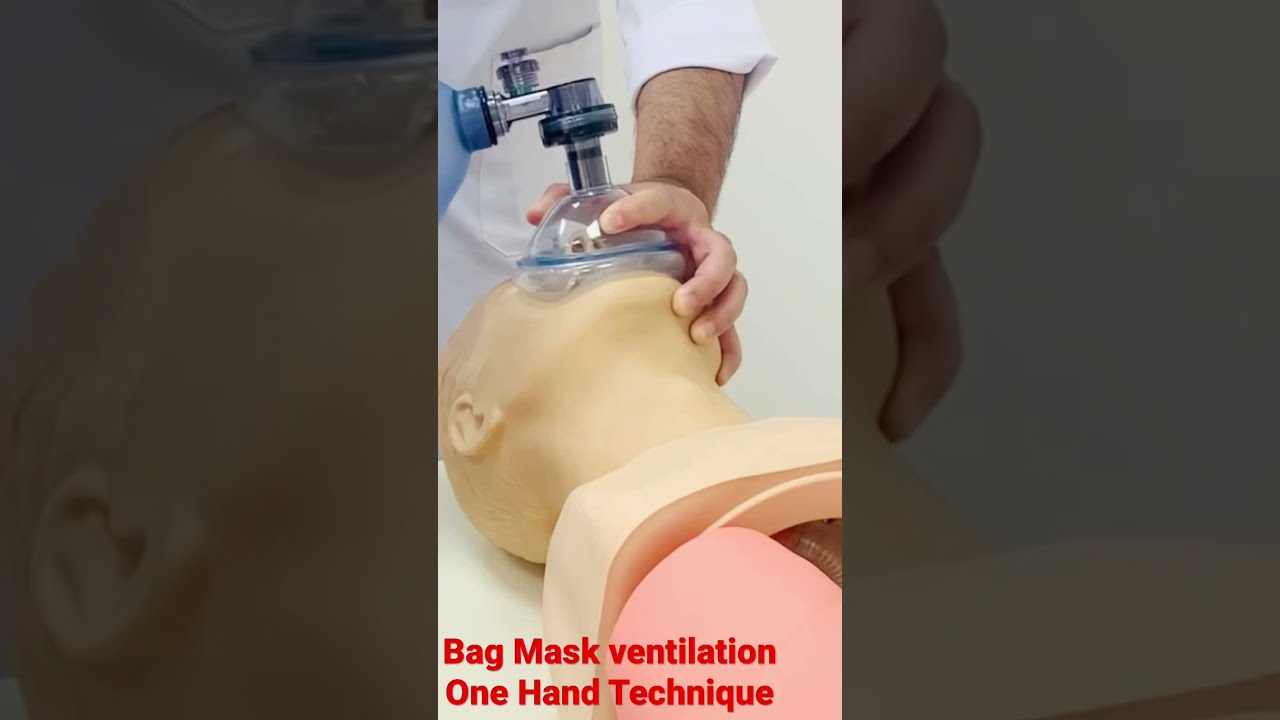
Module Break down:
Introduction to Mechanical Ventilation- Historical context & & evolution Basic physics principles regulating mechanics
- Assist Control vs SIMV(Integrated Intermittent Required Ventilation) Patient-triggered modes
- Identifying alarm system signals Responding efficiently throughout emergencies
- Real-world situations promoting essential thinking Hands-on practice with seasoned instructors
Having concrete modules guarantees that individuals gain both academic knowledge and useful abilities essential for effective client treatment in real-life situations.
FAQs Concerning NDIS Air flow Courses
Here are some regularly asked concerns pertaining to NDIS air flow programs:
1. What prerequisites are needed for enrolling?
Most programs suggest having a basic understanding of human composition and physiology in addition to prior nursing experience or comparable qualifications associated with breathing care.
2. Is there recurring education and learning after completing the course?
Yes! Continuing education credits are often called for by licensing boards; thus, refresher courses or innovative certifications may be useful later as innovation evolves quickly within this field.
3. How much time does it take to finish an NDIS air flow course?
Typically, these programs range from someday as much as numerous weeks relying on deepness; however much shorter workshops may likewise provide focused discovering possibilities covering particular topics extensively!
4. Will I get qualification upon completion?
Absolutely! A lot of certified programs offer certifications verifying conclusion which can greatly enhance your professional qualifications within medical care settings!
5. Can these abilities apply outside healthcare facility settings?
Certainly! Lots of homecare companies look for individuals educated specifically in managing complicated breathing cases so those newly gotten skills remain extremely relevant throughout numerous environments!

6. Just how do I stay upgraded post-training?
Joining expert companies dedicated in the direction of respiratory treatment would certainly maintain you notified about newest ideal techniques trends while networking along with peers across diverse specialties!
Conclusion: Elevating Expert Skills With NDIS Training
The relevance of comprehending mechanical air flow can not be overemphasized-- it straight affects client safety and security results within critical treatment environments! The NDIS Ventilation Training course Explained: An Important Source for Professionals bridges academic spaces while giving specialists self-confidence when faced with challenging professional circumstances including respiratory tract administration & supportive treatments alike!
By investing time into getting top-level know-how with specialized programs like these-- doctor not just bolster their very own professional advancement however inevitably contribute positively in the direction of delivering exemplary requirements throughout our evolving wellness systems today!
This article acts as a guide but keep in mind that hands-on experience along with formal education will grow true proficiency; don't think twice-- register today!